
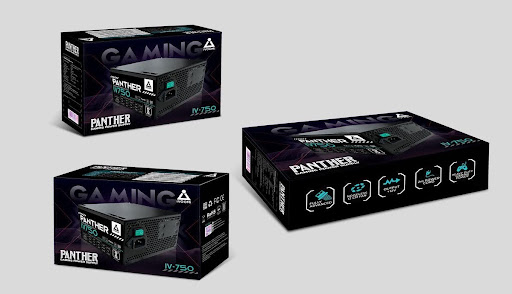
Custom electronic boxes are crucial in the manner in which brands convey their products safely to ordinary consumers. Technology evolves rapidly, and packaging has to keep abreast of such changes. Smart features have begun to become common on shelves in retail stores, as well as on shipping floors. Producers experiment to find new methods to create robust boxes that don’t break fragile technology gadgets but do not cause excessive waste.
Basic cardboard packaging is no longer able to satisfy a contemporary customer with an enhanced unboxing experience and safer counts. Designers also pay extra attention to novel materials and digital printing techniques to upgrade standard shipping containers. Owners of the brands desire the type of packaging that is not only distinctive but also maintains the security of electronic products during extended delivery distances.
Smart Material Choices
Modern factories are currently using superior polymers and biodegradable agents to construct more protective shells for the delicate hardware parts. They are tested by the engineers on types of fibres made of plants, which are found to absorb more shock than the old inserts of Styrofoam. Custom electronics boxes wholesale new materials are less damaging to the environment, and they provide better protection against humidity and dust throughout intercontinental transportation. The changes in production lines have resulted in a shift towards renewable resources since consumers have demanded the implementation of green production when buying their daily gadgets. Other places that try out recycled plastic material as a rigid outer layer that can survive rough treatment by delivery carriers are local workshops.
Digital Printing Techniques
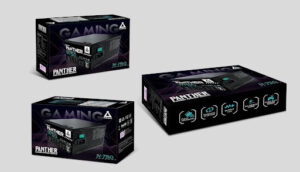
Digital printers with high resolution enable designers to print detailed graphics to textured cardboard surfaces without hefty conventionally prepared plates. This flexibility is a favourite among small businesses since it allows them to revise product artwork in very short methodological durations, without wasting huge portions of unused inventory with leftover packaging materials. Retail displays with vivid colours and crisp fonts quickly draw the attention of shoppers as they pass through the crowded electronics aisles. High-technology ink is capable of drying immediately and does not fade even when subjected to the bright shop lights after several months. Designers are simply free to experiment with distinctive patterns which make a powerful visual narration about the covered device.
Integrated Tracking Chips
Radio frequency ID that is very small is currently being built right into the walls of paperboard at the early manufacturing stages. These covert indicators are simple to scan by logistics teams to track inventory quantities on large warehouse floors without the need to open the outer cartons. Advantages of the smart tags to retail stores include reduced theft values and quicker count of stocks because the smart tags can be detected immediately by the security gates. Customers will also be able to tap their smartphones to the exterior to confirm that they are using genuine products and to have access to online user manuals. This is an unobtrusive transition between the process of opening a device and finding its online capabilities.
Automated Assembly Lines
Computer vision systems and robot arms have taken over the complex operation of folding work, formerly performed manually by human labourers. Precision machine work can help each fold and glue point to perfectly align with each specific digital blueprint to bring zero structural defects. Increased production rates enable brands to handle peak flows of holiday demand without reducing the overall quality of the production or structural integrity. Maintenance sensors alert technicians instantly in case a machine part begins to wear down to ensure they do this before they start experiencing delays. Custom Printed Software Boxes means that heavy lifting and repetitive motion get completely assigned to automated units and make factory floors safer places.
Minimalist Structural Designs
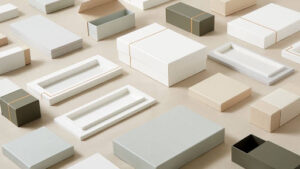
Product engineers pay much attention to minimizing the unnecessary cardboard and plastic filler in every shipped product item to minimize the shipping weights. Interlocking tabs and folding flaps lock devices have clever interlocking tabs and folding flaps which lock in without using messy glue or additional foam layers. This efficient method reduces the cost of freight considerably since delivery trucks have been loaded with more commodities per trip than they were earlier. The clutter-free design is valued by shoppers since it seems much cleaner, and websites are easier to open than wrestling with tape. Brands also conserve funds on material expenditure and reduce their carbon footprint throughout global supply chains.
Interactive Visual Layers
Special thermochromic inks, when exposed to human hands, transform colour to reveal hidden branding elements on the outer retail packaging. Lenscrafters are lenses made of lenticular materials, which cause moving optical illusions that capture curious customers who pass in front of stores at malls. Such visual gimmicks will make a simple cardboard container a piece of the entire consumer product experience. These artistic surfaces are employed to pass on a short setup piece of information or social media handles as the first thing people see. These mock tricks forge a more positive bond between consumers and the technology inside the box.
Climate Defence Shielding
Delicate circuit boards are safeguarded using specialized barrier coatings, which shield against drastic changes in climate and extreme humidity when in international freight transportation. Engineers use microscopic layers of wax preventing the entry of moisture but are totally recyclable at the local municipal sorting markets. These coats of arms keep metal pins and solder joints corrosion-free long before gadgets make it to store shelves and doorsteps. These weather-resistant barriers are important in shipping departments so that items do not end up in working conditions despite the weather extremes of seasonality. Buyers in humid climates where electronic devices are normally affected by moisture can develop peace of mind.
Conclusion
Custom packaging boxes with logo are fast changing with new manufacturing technologies and demands. To remain competitive amidst the saturated market of smart devices, brands have to adopt these ingenious innovations. The prospects of using sustainable materials and digital printing techniques provide promising steps forward for business organizations that prefer to minimize waste and enhance the safety of the products. Considerate packaging design will eventually gain long-term confidence between technology creators and regular users who enjoy a quality unboxing experience. The future can only be sure to provide even more innovative ways in which we shall be safeguarding and putting forward modern electronic goods to the world.