
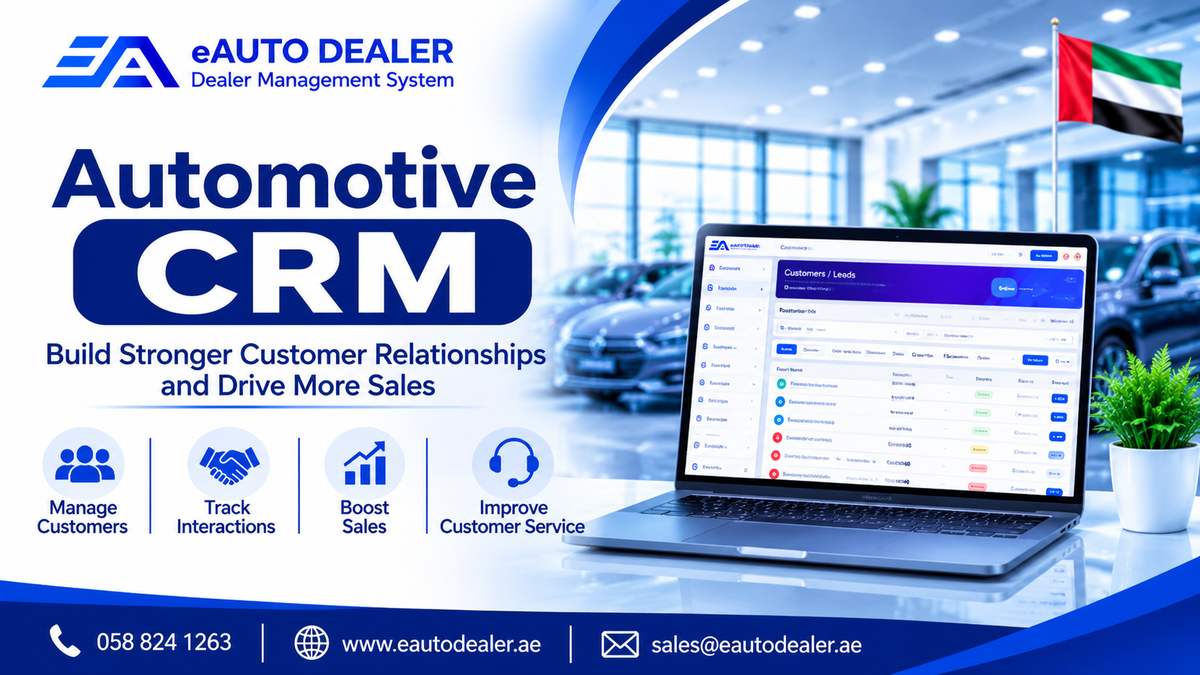
Managing customer relationships is a major part of running a successful automotive business. Car dealerships handle enquiries from different channels, communicate with potential buyers, arrange vehicle viewings, prepare quotations, and manage follow-ups throughout the sales process. When these activities are recorded manually or handled through disconnected tools, important customer details and sales opportunities can easily be overlooked.
A dedicated Automotive CRM helps dealerships organize these interactions and maintain a clearer view of every customer journey. By connecting customer information with sales activities, dealerships can improve team coordination, deliver more consistent service, and manage opportunities more effectively.
What Is Automotive CRM?
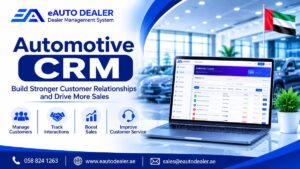
Automotive CRM is a customer relationship management solution designed for businesses in the automotive industry. It helps car dealerships, vehicle showrooms, and automotive sales teams manage customer enquiries, communication history, sales leads, and follow-up activities.
Unlike a basic contact management tool, an automotive-focused CRM can support dealership-specific workflows. These may include recording vehicle interests, assigning leads to sales representatives, scheduling test drives, tracking quotations, and monitoring the progress of potential vehicle sales.
The purpose is to give dealership teams a structured way to manage customer interactions, from the first enquiry to the final sale and future communication.
Why Do Car Dealerships Need Automotive CRM Software?
Car dealerships often manage multiple enquiries at the same time. One customer may be comparing different models, another may be arranging a test drive, while someone else may be waiting for a quotation or financing information.
Without an organized process, sales representatives can struggle to remember every conversation and follow-up. Automotive CRM software helps address these challenges.
1. Organizes Customer Enquiries
Dealerships receive enquiries through websites, phone calls, social media, online marketplaces, and showroom visits. A CRM system helps bring these enquiries into an organized customer database.
Sales teams can record contact details, vehicle preferences, budgets, and other relevant information. This makes it easier to understand what each customer is looking for.
2. Reduces Missed Follow-Ups
A potential buyer may not make a purchase during the first conversation. Regular follow-ups can help sales representatives answer questions and understand whether the customer is still interested.
CRM tools allow employees to schedule reminders, create tasks, and monitor pending enquiries. This helps teams maintain a more consistent communication process.
3. Improves Sales Team Coordination
When several representatives handle customer enquiries, managers need visibility into who is responsible for each opportunity.
Lead assignment and activity tracking help employees understand their responsibilities and make it easier for managers to review sales progress.
4. Maintains Customer History
A customer may contact the dealership several times before deciding to purchase a vehicle. Keeping a record of previous conversations, quotations, and preferences helps employees continue discussions without repeatedly asking for the same information.
This creates a more organized experience for both the customer and the sales team.
Essential Features of an Automotive CRM System
The usefulness of a CRM depends on how well its features support dealership operations. Here are some important capabilities to consider.
Lead Management and Distribution
Lead management helps dealerships capture new enquiries, organize them by source, and assign them to the appropriate sales representatives.
A good system should allow managers to:
- Record enquiries from different sources.
- Assign leads to individual employees.
- Update lead status as conversations progress.
- Identify new, active, and inactive opportunities.
- Review the history of each enquiry.
This gives dealerships a clearer understanding of their sales pipeline.
Customer Profiles and Vehicle Preferences
A customer profile should provide a useful overview of the relationship between the buyer and the dealership.
Depending on the system, records may include contact details, preferred vehicle types, budget range, enquiry history, previous purchases, and communication notes.
When this information is properly maintained, sales representatives can provide more relevant assistance.
Sales Pipeline Tracking
A sales pipeline shows where each customer stands in the buying process. Dealerships can define stages that reflect their actual workflow, such as:
- New enquiry
- Initial contact
- Customer interested
- Vehicle viewing or test drive
- Quotation shared
- Negotiation
- Sale completed or opportunity closed
Tracking these stages helps managers identify pending opportunities and understand where enquiries may be getting delayed.
Follow-Up Reminders and Activity Management
A CRM should help employees plan their daily customer activities. Features such as call reminders, scheduled tasks, meeting records, and follow-up notes can make communication more consistent.
Managers can also review completed and pending activities to understand how enquiries are being handled.
Reporting and Sales Performance
CRM reports help dealership owners and managers monitor customer enquiries and sales activity. Depending on the platform, reports may include lead sources, conversion rates, employee performance, follow-up status, and pipeline summaries.
These insights can help management evaluate sales processes and identify areas for improvement.
How Automotive CRM Connects with Vehicle Inventory
Customer management becomes more effective when sales teams can access accurate vehicle information.
For example, a customer may enquire about a specific model, year, mileage, or price range. If the CRM works alongside the dealership’s inventory system, employees can check relevant stock information while handling the enquiry.
This connection can help sales representatives:
- Identify vehicles that match customer requirements.
- Check vehicle availability and stock status.
- Review relevant vehicle details.
- Connect customer enquiries with specific vehicles.
- Keep sales discussions aligned with current inventory.
An integrated approach can reduce the need to switch between separate systems and help employees provide more accurate responses.
Automotive CRM for Used and New Car Dealerships
Both new and used vehicle dealerships can benefit from structured customer management, although their workflows may differ.
New car dealerships may need to manage enquiries about different models, available variants, specifications, test drives, quotations, and delivery timelines.
Used car dealerships often handle customer interest in individual vehicles with different mileage, conditions, histories, and selling prices. Their CRM processes may need to connect customer enquiries with specific stock records.
In both cases, a CRM helps sales teams maintain customer information, organize communication, and track opportunities throughout the buying process.
Benefits of Integrating Automotive CRM with Dealership Management Software
Using a separate CRM can help organize customer relationships, but dealerships also need to manage inventory, purchasing, accounting, and other operational activities.
An integrated dealership management system connects these functions within a shared business environment.
How to Choose the Right Automotive CRM
Not every CRM platform is designed for the specific requirements of car dealerships. Before selecting one, evaluate how well it fits your sales process and business structure.
Consider the following factors:
- Automotive-specific features: Check whether the system supports vehicle-related enquiries, sales pipelines, and customer follow-ups.
- Ease of use: Employees should be able to record enquiries and update customer information without complicated steps.
- Inventory connectivity: Review whether customer records can be connected with vehicle stock information.
- Lead assignment: Make sure managers can distribute enquiries and monitor employee responsibilities.
- Reporting: Look for useful reports covering lead activity, sales progress, and conversion performance.
- Multi-branch support: If your dealership has several locations, check whether the CRM can manage branch-level activities and access.
- Integration options: Consider connections with your website, mobile applications, accounting tools, and other systems.
- Training and support: Understand what assistance is available during implementation and daily use.
The eAuto Dealer provides dealership-focused software for UAE automotive businesses, bringing sales, customer management, inventory, purchasing, imports, accounting, and garage operations into a connected working environment. This approach helps dealerships manage customer activity alongside their wider operational requirements.
Common Mistakes to Avoid When Implementing Automotive CRM
A CRM system delivers value when employees use it consistently and customer information is maintained properly. Dealerships should avoid several common implementation problems:
- Entering incomplete or duplicate customer records.
- Failing to assign responsibility for new enquiries.
- Not setting clear sales pipeline stages.
- Ignoring follow-up reminders and pending activities.
- Providing insufficient training to sales employees.
- Choosing a system without checking inventory integration.
- Reviewing reports without taking action on the findings.
Establishing clear processes and training employees can help the dealership get more value from its CRM investment.
Final Thoughts
Customer relationships play an important role in automotive sales, and dealerships need a reliable way to manage every interaction. An automotive CRM helps organize enquiries, maintain customer history, track sales opportunities, and coordinate follow-ups across the sales team.
When connected with vehicle inventory and other dealership operations, it can provide even greater value by giving employees access to relevant business information. The right solution should match your dealership’s workflow, support your team, and provide room for future growth. Before choosing a platform, compare its automotive features, integration capabilities, usability, and support to find a system that fits your business requirements.
Frequently Asked Questions
1. What is an automotive CRM?
An automotive CRM is customer relationship management software designed for the automotive industry. It helps dealerships manage leads, customer profiles, vehicle enquiries, communication records, and sales follow-ups.
2. How does automotive CRM help car dealerships?
It helps dealerships organize enquiries, assign leads to sales representatives, maintain customer history, schedule follow-ups, and monitor sales opportunities.
3. Can automotive CRM connect with vehicle inventory software?
Yes. Some dealership CRM platforms integrate with inventory management systems, allowing sales teams to connect customer enquiries with available vehicle records and stock information.
4. Is automotive CRM suitable for used car dealerships?
Yes. Used car dealerships can use CRM software to manage enquiries about individual vehicles, record customer preferences, track sales discussions, and organize follow-up activities.
5. What is the difference between general CRM and automotive CRM?
General CRM software supports customer management across different industries. Automotive CRM is designed around vehicle sales workflows and may include features for vehicle enquiries, test drives, quotations, and inventory connections.
6. Can automotive CRM improve sales team performance?
It can support better sales coordination by helping managers assign leads, monitor follow-ups, review pipeline activity, and identify opportunities that need attention.
7. What should I consider before buying automotive CRM software?
Evaluate lead management, customer profiles, sales pipeline tracking, inventory integration, reporting, user permissions, ease of use, scalability, and customer support.